BPSS Check

Blogs

What Is a Basic Disclosure Check and When Is It Enough?

What Is a Basic Disclosure Check and When Is It Enough?

Executive Summary: A basic disclosure check helps employers confirm unspent criminal convictions and supports safer recruitment for many roles across the UK. Understanding what it includes, who can apply, when it is appropriate, and when higher levels of screening are required enables organisations to make informed, compliant hiring decisions while maintaining an efficient recruitment process.

What Is a Basic Disclosure Check and When Is It Enough? Read More »

BPSS Compliance

BPSS Compliance: Employer Responsibilities Explained

Quick Summary BPSS (Baseline Personnel Security Standard) is the minimum pre-employment screening standard used across UK government and organisations that support it, covering identity verification, right to work, employment history, and unspent criminal convictions. It applies to civil service staff, contractors, and businesses supplying services to public sector clients. Employers must complete and document all

BPSS Compliance: Employer Responsibilities Explained Read More »

Different Types of DBS Checks

Types of DBS Checks: Basic, Standard, Enhanced DBS Explained

Quick Summary There are four types of DBS checks in the UK: Basic, Standard, Enhanced, and Enhanced with Barred Lists, each revealing progressively more detail about a candidate’s history. Basic checks suit general roles like retail or admin, Standard checks apply to licensed professions such as security or legal roles, and Enhanced checks (often with

Types of DBS Checks: Basic, Standard, Enhanced DBS Explained Read More »

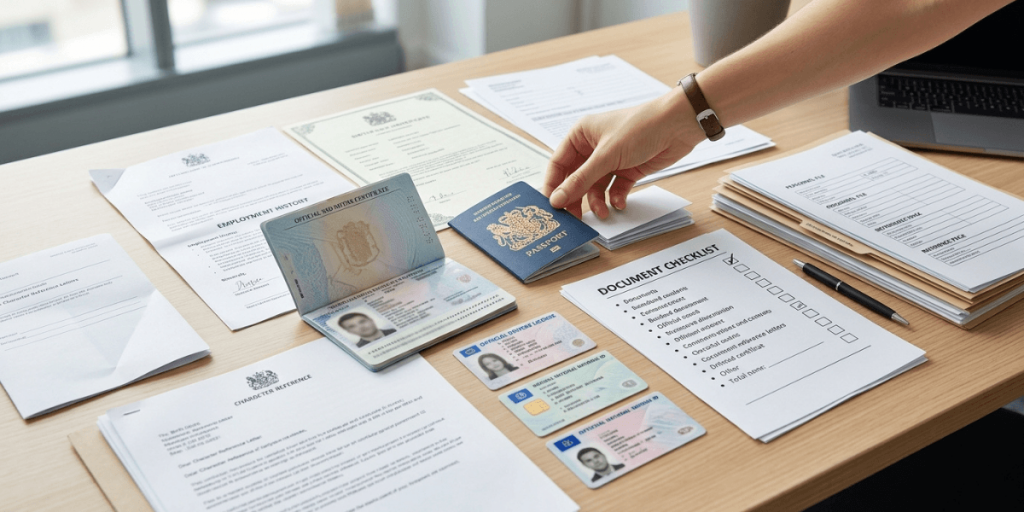
Documents Required for a Successful BPSS Check

Documents Required for a Successful BPSS Check

A Baseline Personnel Security Standard (BPSS) check is an important screening process used across the UK to verify an individual’s identity, employment history, right to work status, and criminal record information. It is commonly required for government roles, public sector positions, defence-related work, and organisations handling sensitive information. One of the most common reasons for

Documents Required for a Successful BPSS Check Read More »

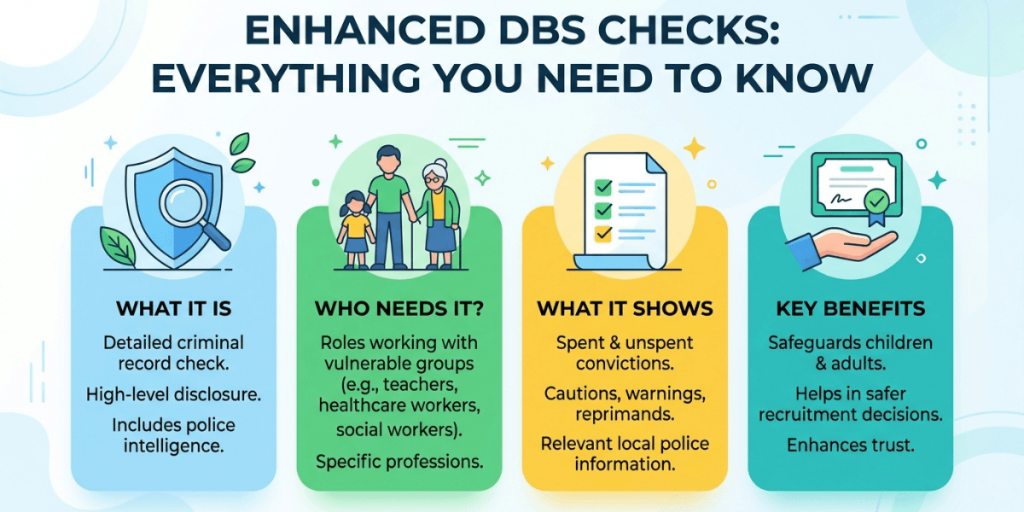
Enhanced DBS Checks: Everything You Need to Know

Enhanced DBS checks play an important role in safer recruitment across the UK. Employers use them to help protect vulnerable people and maintain secure working environments in sectors such as healthcare, education, social care, and childcare. These checks provide a deeper level of screening than standard criminal record checks and are often required for positions

Enhanced DBS Checks: Everything You Need to Know Read More »

the rise of remote work Changing the Need for Background Checks

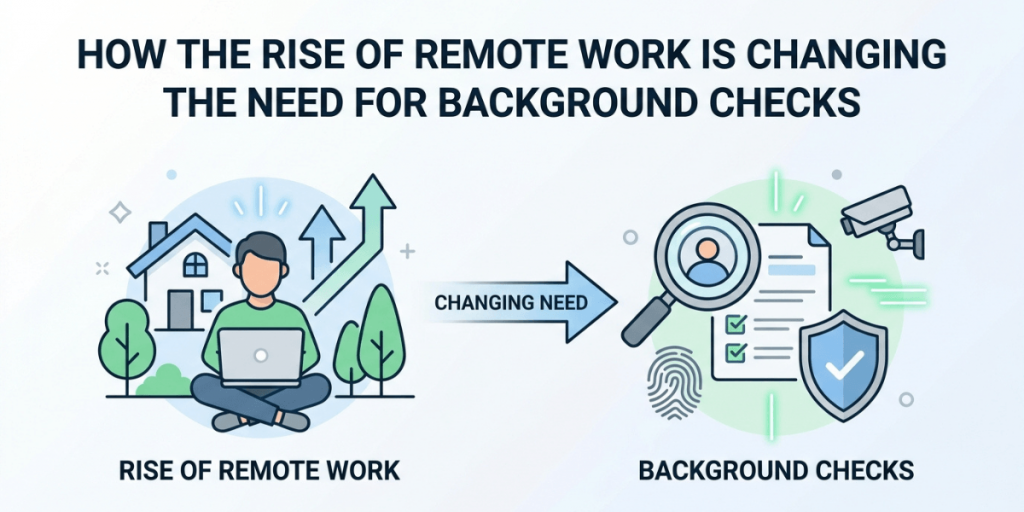
How the Rise of Remote Work Is Changing the Need for Background Checks

Remote work has changed how businesses hire and manage employees across the UK. Companies now recruit from wider locations, with many teams working entirely online. While this offers greater flexibility and access to talent, it also increases the need for strong background screening. Traditional hiring relied on face-to-face interaction, but remote working requires employers to

How the Rise of Remote Work Is Changing the Need for Background Checks Read More »

SC Clearance cost guide for UK applicants

How Much Does SC Clearance Cost in the UK? Guide for Applicants

Understanding security clearance in the UK can feel confusing, especially when it comes to pricing. Many applicants want clarity on how much SC clearance costs, what affects the process, and what is actually included. SC clearance, also known as Security Check clearance, is used for roles involving regular access to sensitive government or contracted information.

How Much Does SC Clearance Cost in the UK? Guide for Applicants Read More »

Developed Vetting process in the UK explained

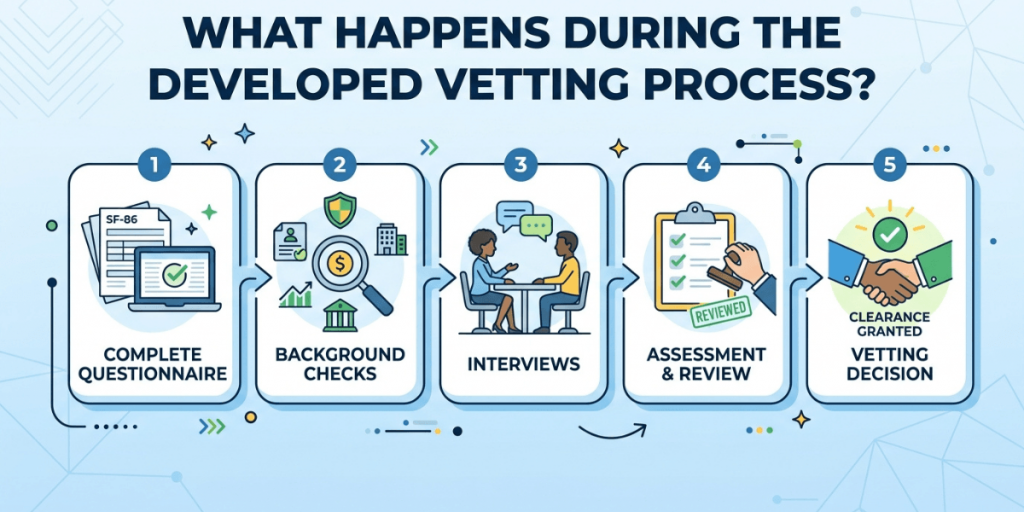
What Happens During the Developed Vetting Process?

Security clearance in the UK plays a critical role in protecting sensitive information, national interests, and high-level government work. One of the most detailed forms of clearance is known as DV, short for Developed Vetting. It is designed for roles that require access to classified material at the highest levels. Understanding how the process works

What Happens During the Developed Vetting Process? Read More »